You Gotta Taste This: How Food Turns Trinidad’s Streets into a Living Feast
Walking through Trinidad, Cuba, feels like stepping into a slow-cooked story where every corner serves up flavor. The cobblestone streets don’t just echo history—they sizzle with garlic, cumin, and the sweet smoke of grilled plantains. Here, food isn’t just eaten; it’s shared, celebrated, and deeply woven into daily life. I didn’t just visit Trinidad—I feasted my way through its soul, one casual bite at a time. This isn’t a destination where meals are rushed between sightseeing checklists. Instead, dining unfolds like a ritual, a pause in the day where time softens, laughter rises, and the air fills with the scent of slow-roasted pork and caramelized onions. In Trinidad, every meal is an invitation to belong, even if only for an afternoon.
The Rhythm of Flavor: Why Trinidad’s Food Scene Feels Alive
Trinidad’s charm lies not only in its pastel-colored colonial buildings or its UNESCO World Heritage status but in the way life moves in harmony with taste. The town pulses with a culinary heartbeat, shaped by centuries of cultural blending. Spanish, African, and Caribbean influences merge on every plate, turning simple ingredients into vibrant expressions of identity. Dishes like ropa vieja—shredded beef simmered in tomato sauce with onions and peppers—and moros y cristianos, a savory mix of black beans and rice seasoned with garlic and cumin, are more than meals. They are edible stories, passed down through generations in family kitchens and shared with pride.
What makes Trinidad’s food culture truly unique is how deeply it is embedded in social life. Meals are not isolated events but communal gatherings that define the rhythm of the day. A midday lunch might stretch for hours, with extended family and neighbors dropping by unannounced, welcomed with a plate and a chair pulled up to the table. This emphasis on connection transforms dining from a necessity into a form of leisure, where the act of eating becomes a celebration of presence. The pace is unhurried, the portions generous, and the atmosphere warm, reflecting a broader philosophy that values relationships over efficiency.
The town’s physical layout enhances this experience. Narrow streets lined with colonial-era homes open into shaded courtyards where tables are set under bougainvillea-draped arches. The architecture itself invites lingering, with balconies overlooking plazas where the scent of frying plantains drifts through the air. There’s no need to rush—markets are within walking distance, ingredients are fresh, and the day’s heat encourages long breaks over coffee and conversation. In this setting, food becomes the centerpiece of daily joy, not a task to be completed. It’s a reminder that flavor thrives where life slows down enough to savor it.
From Paladares to Park Benches: Where Locals Eat and Unwind
One of the most transformative developments in Cuban dining culture has been the rise of paladares—small, family-run restaurants often operating out of private homes. In Trinidad, these intimate eateries have become cultural landmarks, offering travelers a rare glimpse into authentic Cuban hospitality. Unlike formal tourist restaurants, paladares feel personal. The owner might greet you at the door, the chef could be their daughter, and the recipe for the day’s stew may have been handed down from a grandmother in Havana. These spaces are not just about food; they are extensions of the family living room, where guests are treated like kin.
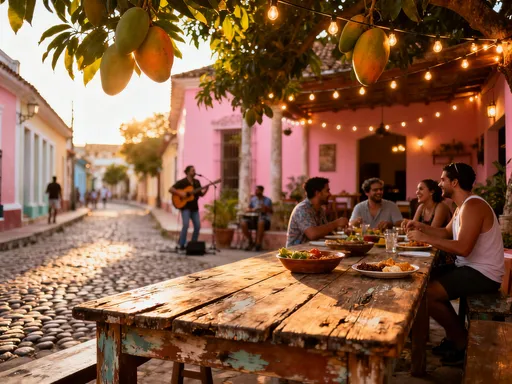
The atmosphere in a typical paladar is warm and unpretentious. Imagine a courtyard strung with fairy lights, a guitar playing softly in the background, and the clink of glasses filled with homemade guarapo, a fresh sugarcane juice. Meals are served on mismatched plates, and the menu changes daily based on what’s available at the market. A common dish might be lechón asado—roast pork marinated in citrus and garlic, served with boiled yuca and a crisp salad of tomato and onion. Every bite carries the care of someone who cooks not for profit, but for pride.
But dining in Trinidad isn’t limited to formal meals. Just as important are the informal moments—eating on park benches, sharing a bag of fried snacks with a local, or accepting a slice of ripe mango from a street vendor. These spontaneous interactions are where the true spirit of the town reveals itself. Children run through the plaza while elders sit under ceiba trees, sipping coffee and watching the world go by. A simple grilled corn on the cob, brushed with butter and sprinkled with cheese, becomes a shared experience when enjoyed in good company. In Trinidad, leisure isn’t found in luxury resorts or exclusive clubs; it’s built into the fabric of everyday life, one casual bite at a time.
A Day in the Life: Following the Cuban Food Clock
In Trinidad, time is measured not by the clock but by the rhythm of meals. The day begins early, with the rich aroma of strong Cuban coffee—called café cubano—filling homes and street-side kiosks. This small, sweet espresso is often paired with a bocadito, a soft roll that soaks up the bold flavor of the brew. Breakfast is light but energizing, a quiet moment before the heat of the day sets in. By mid-morning, the streets come alive as vendors set up stands selling fresh fruit, coconut water, and fried snacks like tostones, twice-fried plantain slices that are crispy on the outside and tender within.
Lunch is the centerpiece of the Cuban day, especially in Trinidad. Families gather around the table for a generous meal that often includes a protein, a starch, and a simple salad. A typical spread might feature picadillo, a seasoned ground beef dish with raisins and olives, served with white rice and boiled malanga, a root vegetable similar to taro. Meals are not rushed; instead, they unfold over an hour or more, with second helpings offered freely and conversations flowing easily. This midday pause is not seen as a break from productivity but as an essential part of living well. It’s a cultural commitment to presence, to enjoying food with those you love.
Evenings in Trinidad are lighter but no less social. As the sun dips below the pastel rooftops, locals drift toward the central plaza, where music often spills from open-air bars. Dinner might be a simple affair—a slice of cheese, a piece of bread, and a glass of rum—but it’s rarely eaten alone. Instead, it’s part of a larger gathering, where food serves as a backdrop to connection. The Cuban approach to dining reflects a deeper philosophy: that time spent at the table is not wasted. In a world that glorifies busyness, Trinidad offers a quiet rebellion—one where the longest meal of the day is also the most important.
Beyond the Plate: Food Markets and Street Snacks as Social Hubs
To understand Trinidad’s food culture, one must wander through its markets and street corners, where flavor meets community. The local mercado is more than a place to buy ingredients; it’s a living room under the open sky. Vendors call out their offerings—ripe mangoes, purple yams, fresh cilantro—while neighbors stop to chat, exchange news, and sample a piece of fried cassava. The air hums with energy, a mix of bartering, laughter, and the sizzle of oil in deep fryers. Here, food is not just sustenance; it’s a reason to gather, to connect, to belong.
Street snacks in Trinidad are humble but unforgettable. A popular treat is the fritura de malanga, a golden fritter made from grated root vegetable, lightly spiced and fried until crisp. Served in a paper cone, it’s the perfect handheld delight for a midday stroll. Another favorite is the pastelito, a flaky pastry filled with guava and cheese or seasoned meat, baked fresh every morning. These bites are not gourmet creations but honest expressions of local taste—simple, satisfying, and deeply rooted in tradition. What makes them special is not just the flavor, but the context: they are often shared, passed from hand to hand, enjoyed while standing under a mango tree or sitting on a low wall.
Children play nearby, chasing each other between stalls, while elders sip coffee from thermoses, watching the scene with quiet amusement. Travelers are welcomed not as customers but as guests. A vendor might offer a free sample with a smile, or an older woman might gesture for you to join her on a bench. These moments of warmth are not staged for tourists; they are the natural rhythm of life in Trinidad. The market is not just a place to eat—it’s a place to live, to breathe, to feel the pulse of the community. In a world where food is often consumed in isolation, Trinidad reminds us that the simplest bites can be the most meaningful when shared.
Music, Mojitos, and Mangoes: When Food Meets Celebration
In Trinidad, the line between dining and celebration is beautifully blurred. As evening falls, the town transforms into an open-air festival of sound and flavor. In the central plaza, live bands play son cubano and salsa, their rhythms carried on the warm night air. Around them, locals and visitors mingle, drinks in hand, moving to the beat. A mojito—muddled mint, lime, sugar, and white rum—is the drink of choice, its cool freshness a perfect match for the tropical heat. But just as essential is the food: grilled corn on the cob, skewers of marinated pork, and paper bags of fried plantain chips.
These gatherings are not formal events but spontaneous expressions of joy. A musician starts playing, someone brings out a bottle of rum, and soon the plaza is alive with dancing and laughter. Food circulates freely—someone offers a bite of their snack, another shares a piece of mango. There’s no host, no schedule, no entry fee. This is leisure in its purest form: unplanned, inclusive, and deeply human. Even a simple evening walk can turn into a celebration, with music drawing people out of their homes and into the streets.
The connection between food and festivity is deeply rooted in Cuban culture. Meals are rarely silent affairs; they are accompanied by stories, jokes, and often music. In Trinidad, this tradition extends into the public sphere, where the plaza becomes a shared dining room under the stars. A couple might sit on a bench, passing a bag of roasted peanuts between them, while children dance barefoot on the cobblestones. The food is simple, the drinks modest, but the experience is rich. It’s a reminder that celebration doesn’t require extravagance—only presence, connection, and a willingness to savor the moment.
How to Eat Like You Belong: Tips for a Meaningful Culinary Experience
For visitors, the key to truly experiencing Trinidad’s food culture is not in ticking off a list of must-try dishes, but in approaching meals with openness and respect. Authentic experiences are often found not in guidebook-recommended spots, but in quiet courtyards, family homes, and street-side stalls. Look for paladares with handwritten menus taped to the door, or follow the scent of grilled meat down a narrow alley. A warm smile and a simple “Buen provecho” go a long way in building connection.
When choosing what to eat, embrace the local rhythm. Start with a strong coffee in the morning, linger over lunch, and save room for a light evening snack. Be curious—ask the server what’s fresh, try a dish you can’t pronounce, and don’t be afraid to eat with your hands. Many of the best flavors in Trinidad come from simple preparations: a slice of avocado sprinkled with salt, a cup of warm almond soup, or a grilled banana drizzled with honey. These are not fancy dishes, but they carry the essence of the island’s culinary soul.
Respect is equally important. Remember that many paladares operate in private homes, so speak softly, dress modestly, and always ask before taking photos. Tipping, while not expected, is appreciated as a gesture of gratitude. Most importantly, be patient. Meals may take time to arrive, and service might feel slow by international standards. But this is not inefficiency—it’s intentionality. In Trinidad, food is not rushed because the experience matters as much as the meal. When you sit down to eat, you’re not just a customer; you’re a guest. And in this town, guests are treated with warmth, pride, and the kind of generosity that can’t be bought.
Why This Matters: The Deeper Joy of Eating Slow in a Fast World
In an age of speed, where meals are often eaten at desks, in cars, or between notifications, Trinidad offers a powerful alternative. Here, food is not fuel—it’s a bridge to connection, a celebration of culture, and a form of resistance against the rush of modern life. The town’s culinary traditions remind us that true leisure is not about doing nothing, but about doing something meaningful: sharing a meal, telling a story, laughing with strangers who soon feel like friends.
The lessons of Trinidad’s food culture extend far beyond the Caribbean. They invite us to reconsider how we live, eat, and connect. What if we treated every meal as an event worth savoring? What if we prioritized conversation over convenience, presence over productivity? In Trinidad, these are not ideals—they are daily practices. The long lunches, the shared snacks, the music-filled plazas—they are all expressions of a deeper truth: that joy is found in the moments we slow down enough to taste.
Travelers come to Trinidad for its colonial charm, its colorful streets, its tropical beauty. But they leave with something more lasting: the memory of a meal shared under a starry sky, the warmth of a host’s smile, the flavor of a culture that feeds both body and soul. In a world that often feels disconnected, Trinidad proves that food can still bring people together. So come for the sights, stay for the meal, and let the rhythm of flavor remind you what it means to truly live. In this town, every bite is an invitation—to belong, to linger, and to taste the joy of a life well savored.