You Won’t Believe These Hidden Structures in Zion National
Have you ever walked through a canyon and felt like the walls were whispering stories? At Zion National Park, the red cliffs do more than impress—they reveal layers of culture carved not just by time, but by people. Beyond the trails and overlooks, ancient architectural remnants tell the quiet history of those who once called this land home. I was stunned to discover how human ingenuity blended with nature here, long before it became a national park. These structures, often overlooked by hurried hikers, speak of resilience, adaptation, and deep respect for the environment. They invite us to slow down, look closer, and recognize that Zion’s beauty is not only in its towering cliffs but also in the subtle marks of human presence that have endured for centuries.
Discovering Zion’s Cultural Landscape
Zion National Park is widely celebrated for its dramatic sandstone canyons, emerald rivers, and soaring monoliths that draw millions of visitors each year. Yet beyond its breathtaking scenery lies a cultural landscape equally worthy of attention. While many come to hike Angels Landing or wade through The Narrows, few realize they are walking through a living archive of human history. For thousands of years, Indigenous peoples lived in harmony with this rugged terrain, leaving behind traces of their presence in the form of rock shelters, storage cists, and stone alignments. These remnants are not grand ruins, but quiet witnesses to a way of life shaped by necessity, wisdom, and reverence for the land.
The National Park Service recognizes Zion not only as a geological wonder but also as a cultural treasure. Archaeological surveys have identified over 400 documented cultural sites within the park’s boundaries, ranging from temporary campsites to more permanent structures tucked into cliff alcoves. These sites span more than 8,000 years of human occupation, beginning with nomadic hunter-gatherers and evolving into more complex societies that cultivated crops and built durable shelters. The preservation of these sites is a key mission of the park, ensuring that future generations can learn from and honor the deep roots of human connection to this place.
Understanding Zion as both a natural and cultural landscape transforms the visitor experience. Instead of seeing the park solely through the lens of recreation, one begins to appreciate it as a continuum of human-environment interaction. The same forces that shaped the canyon walls—water, wind, and time—also influenced how people built, farmed, and moved through the land. Recognizing this duality enriches every step along the trail, turning a simple hike into a journey through layers of meaning. The park’s cultural heritage is not separate from its natural beauty; it is woven into it, visible to those who know where and how to look.
The People Behind the Stone: Ancestral Puebloans and Southern Paiute
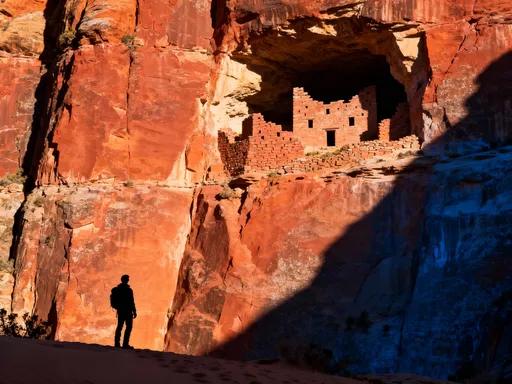
The story of human life in Zion begins with the Ancestral Puebloans, a sophisticated culture that flourished across the Colorado Plateau between 2,000 and 700 years ago. Though often associated with the cliff dwellings of Mesa Verde or Chaco Canyon, their influence extended into what is now southern Utah, including the Zion area. These people were master builders, using local sandstone to construct low-walled rooms and storage units in protected alcoves high above valley floors. Their architecture was not merely functional but also strategic—positioned to capture sunlight in winter, avoid flooding, and remain hidden from potential threats.
Archaeological evidence suggests that the Ancestral Puebloans in Zion lived in small, dispersed communities, practicing agriculture along the Virgin River floodplain. They cultivated corn, beans, and squash—the so-called “Three Sisters” of Indigenous agriculture—using irrigation techniques that maximized limited water resources. Their dry-stone masonry, which required no mortar, demonstrates remarkable craftsmanship. Stones were carefully selected and fitted together so precisely that even after centuries of exposure, many walls remain standing. These structures were not meant to last forever, yet their endurance speaks to the skill and intention behind their construction.
Following the gradual departure of the Ancestral Puebloans around 700 years ago, the Southern Paiute people became the primary inhabitants of the region. Unlike their predecessors, the Southern Paiute lived a more mobile lifestyle, adapting to the desert environment through seasonal movement and deep ecological knowledge. They used natural rock overhangs as temporary shelters rather than building permanent structures, leaving behind subtle signs such as fire-blackened ceilings, grinding stones, and petroglyphs etched into canyon walls. Their relationship with the land was one of balance and reciprocity, relying on native plants, small game, and river resources without altering the landscape extensively.
Both cultures shared a profound respect for the natural world, viewing themselves as part of the ecosystem rather than separate from it. This worldview is reflected in their architecture, which was never imposed on the land but rather integrated into it. The Ancestral Puebloans built with the contours of the cliffs; the Southern Paiute used existing formations as shelter. Their legacies are not defined by monumental construction but by sustainable living—a lesson that resonates deeply in today’s conversations about environmental stewardship.
Architecture Born from the Land: Building with Nature
In Zion, architecture was never an act of domination over nature but a collaboration with it. The structures built by Indigenous peoples were designed to work with the environment, using locally available materials and responding to climatic conditions. Sandstone, abundant throughout the park, was the primary building material. Quarried by hand or collected from fallen blocks, it was shaped with stone tools and stacked without mortar in a technique known as dry-stone construction. This method allowed for flexibility in the walls, enabling them to withstand minor earth movements and temperature fluctuations without cracking.
One of the most common architectural features found in Zion is the cist—a small, box-like structure built into cliff bases or under overhangs. These were used primarily for food storage, protecting dried corn, seeds, and other provisions from rodents and moisture. Often only two to three feet high, cists were carefully sealed with slabs of stone and sometimes plastered with mud to enhance insulation. Their placement in shaded or north-facing alcoves helped maintain cooler temperatures, functioning as natural refrigerators long before modern technology existed.
Another key design principle was thermal regulation. Many structures were built into south-facing alcoves to capture winter sunlight while being shielded from summer heat by the overhanging rock. The thick sandstone walls acted as thermal mass, absorbing heat during the day and releasing it slowly at night, stabilizing interior temperatures. This passive solar design was intuitive but highly effective, demonstrating an advanced understanding of environmental physics. Wind protection was also considered; walls were often positioned perpendicular to prevailing winds, creating sheltered courtyards where people could gather safely.
Perhaps the most striking aspect of this architecture is its invisibility. Unlike modern buildings that assert dominance, these structures blend into the landscape, appearing almost as natural extensions of the rock. There are no sharp contrasts, no unnatural colors—only subtle lines and textures that merge with the surrounding stone. This harmony was not accidental but intentional, reflecting a cultural value of humility and coexistence. The builders did not seek to conquer the land; they sought to belong to it.
Where to See Ancient Structures in Zion Today
For visitors interested in experiencing this cultural heritage firsthand, several locations within Zion National offer opportunities to view authentic architectural remnants. One of the most accessible sites is along the Watchman Trail, a moderate loop near the park’s south entrance. As you ascend the trail, keep an eye on the cliff faces and alcoves to the east. Though not always obvious, trained observers can spot low stone walls and cists nestled in the rock. Interpretive signs along the trail provide context, explaining how these features were used and why they were placed in specific locations.
Another promising area is along the banks of the Virgin River, particularly in the lower sections of the Zion Canyon. Here, near ancient floodplains where agriculture was once practiced, remnants of rock alignments and terraces can still be seen. These were likely used to manage water flow or define garden plots. While direct access to some of these sites is restricted to protect their integrity, viewing them from designated trails offers a meaningful connection to the past. The Riverside Walk, a paved path leading toward the beginning of The Narrows, passes through areas once cultivated by Indigenous farmers, and signage highlights this agricultural history.
For those willing to explore beyond the main corridors, the less-visited corners of the park—such as the Kolob Terrace or the outskirts of the Kolob Canyons—hold additional clues to human habitation. These remote zones are home to more secluded rock shelters and petroglyph panels, though exact locations are often not publicized to prevent damage. Ranger-led programs, including guided hikes and cultural talks, provide valuable insights and may include visits to protected sites under controlled conditions. These experiences are designed to educate while minimizing impact, allowing visitors to learn without compromising preservation.
When observing these structures, it is essential to practice responsible tourism. Stay on marked trails, avoid touching or climbing on ancient walls, and never remove any materials, no matter how insignificant they may seem. Even the oils from human hands can accelerate erosion over time. Remember that these sites are not relics of a distant, extinct culture but part of a living heritage for contemporary Native American communities. Respecting them is not just about preservation—it is an act of honoring ongoing cultural continuity.
From Cabins to Visitor Centers: Modern Architecture in Dialogue with Nature
Just as Indigenous builders once shaped their structures to harmonize with the landscape, modern architects working in Zion National continue this tradition of environmental sensitivity. Early park infrastructure, such as the ranger cabins built in the 1930s by the Civilian Conservation Corps, was constructed using local sandstone and timber, mirroring the colors and textures of the surrounding cliffs. These buildings were designed to be functional yet unobtrusive, blending into the terrain rather than dominating it. Their low profiles, sloping roofs, and earth-toned materials ensured they would not disrupt the visual integrity of the park.
Today, this philosophy extends to newer facilities like the Zion Canyon Visitor Center, which opened in 2000 as part of a broader effort to make national park infrastructure more sustainable. The center incorporates passive solar design, energy-efficient lighting, and natural ventilation systems to reduce its environmental footprint. Its layout follows the curve of the land, and large overhangs provide shade while echoing the protective alcoves used by ancient peoples. Even the parking area is designed to minimize runoff and preserve native vegetation, demonstrating a holistic approach to site planning.
Architectural decisions in the park are guided by the National Park Service’s Design Guidelines, which emphasize visual compatibility, resource conservation, and cultural sensitivity. New construction must undergo rigorous review to ensure it does not detract from the natural or historical character of the area. For example, materials are often sourced locally, and building heights are limited to prevent skyline intrusion. The goal is not to imitate ancient styles but to uphold the same principles of humility and integration that guided earlier builders.
This continuity between past and present architecture sends a powerful message: that human presence in wild places need not be destructive. Whether using hand-chiseled stone or recycled steel, the aim remains the same—to inhabit the land without overpowering it. In a world where development often comes at the expense of nature, Zion stands as a model of thoughtful coexistence, proving that beauty, function, and respect can go hand in hand.
Why These Structures Matter: Preserving Cultural Memory
The ancient structures in Zion National are more than archaeological curiosities—they are vital links to a deeper understanding of human history and our relationship with the natural world. Because they are made of fragile materials and exposed to the elements, they are vulnerable to erosion, weathering, and human impact. Even seemingly minor actions—such as stepping on a wall base or leaning against an old structure—can cause irreversible damage. Vandalism, though less common today due to increased awareness, remains a threat, as does the pressure of over-tourism in popular areas.
To combat these challenges, the National Park Service has implemented a range of conservation measures. Site monitoring programs use photography, LiDAR scanning, and regular field assessments to track changes over time. Sensitive areas are sometimes closed temporarily to allow for stabilization work or to give vegetation a chance to recover. Educational outreach plays a crucial role as well, helping visitors understand why these sites matter and how they can help protect them. Rangers and volunteers regularly engage with guests, sharing stories and science in ways that foster empathy and responsibility.
Preservation is not just a technical challenge but an ethical one. These sites belong to no single individual or generation; they are part of a shared human legacy. For many Native American tribes, including the Southern Paiute and their descendants, these places are not just historical but spiritually significant. They represent ancestral homelands, places of origin, and living connections to tradition. Respecting these perspectives means more than following rules—it means approaching the land with humility and listening to the voices of those who have stewarded it for millennia.
Every visitor has a role to play in this effort. By staying on trails, refraining from touching artifacts, and supporting conservation initiatives, we contribute to the long-term survival of these irreplaceable sites. When we protect cultural memory, we also honor the ingenuity and resilience of those who came before us, ensuring that their stories continue to be told.
Bringing It All Together: A Deeper Way to Experience Zion
Zion National offers more than scenic vistas and thrilling hikes—it invites us into a deeper conversation about place, time, and belonging. The hidden structures scattered throughout the park are not just remnants of the past; they are invitations to see differently, to slow down, and to engage with the land on a more meaningful level. When we notice a small stone wall tucked into a cliff or a petroglyph faintly visible on a rock face, we are not just observing history—we are participating in it.
This kind of travel goes beyond checking off bucket-list items. It is about cultivating awareness, curiosity, and respect. It means pausing to read a sign, asking questions on a ranger talk, or simply sitting quietly in a canyon and imagining the lives that unfolded there centuries ago. These moments of reflection enrich the journey, transforming it from a physical adventure into an emotional and intellectual one. They remind us that we are not the first to find wonder in this landscape, nor will we be the last.
The architecture of Zion—both ancient and modern—tells a continuous story of adaptation, creativity, and reverence. From the Ancestral Puebloans’ cists to today’s eco-conscious visitor centers, each structure reflects a response to the same powerful environment. They show us that building sustainably is not a new idea but an ancient one, rooted in observation, necessity, and respect. In a time of climate change and environmental uncertainty, these lessons are more relevant than ever.
As you plan your next visit to Zion, consider approaching it with fresh eyes. Look beyond the postcard views and seek out the subtle signs of human presence. Let the silence of the canyons speak to you. Listen to the stories etched in stone. And carry forward the understanding that every footprint we leave should be one of care, not conquest. In doing so, we become not just visitors, but stewards—part of the ongoing story of one of America’s most majestic landscapes.